

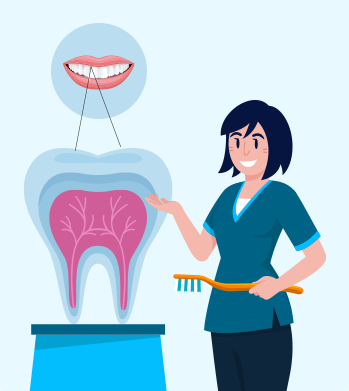
When we think about health, our minds often go straight to diet, exercise, and sleep. However, another crucial aspect is sometimes overlooked: oral hygiene. Taking care of your teeth and gums is more than just a bright smile; it plays a vital role in your overall health and well-being. Let’s explore the connection between oral health and overall health, and why maintaining good oral hygiene habits is essential for all age groups.
The Connection Between Oral Health and Overall Health
- Gum Disease and Heart Disease: Studies have shown that gum disease (periodontal disease) is linked to an increased risk of heart disease. The bacteria that cause gum inflammation can enter the bloodstream, leading to inflammation in other parts of the body, including the arteries. This can contribute to conditions like atherosclerosis, which is a buildup of plaque in the arteries, increasing the risk of heart attacks and strokes.
- Diabetes and Oral Health: There is a two-way relationship between diabetes and gum disease. High blood sugar levels can lead to an increased risk of gum disease, while severe gum disease can make it more difficult to control blood sugar levels. This creates a cycle that can be challenging to break without proper oral hygiene and medical management.
- Respiratory Issues: Poor oral hygiene can lead to respiratory infections, including pneumonia. The bacteria from infected teeth and gums can be inhaled into the lungs, particularly in older adults or those with weakened immune systems, leading to respiratory problems.
Tips for Maintaining Good Oral Hygiene
- Brush Twice a Day: Doctors have always recommended brushing your teeth twice a day and for at least two minutes. This helps remove plaque and food particles leading to tooth decay and gum disease.
- Floss Regularly: Flossing helps remove plaque and food particles between the teeth and under the gumline, which a toothbrush can’t reach. Regular flossing is essential for preventing gum disease.
- Use Mouthwash: Mouthwash can help reduce bacteria in the mouth, freshen your breath, and reduce plaque buildup. Be sure to choose a mouthwash that complements your oral health needs.
- Regular Dental Check-Ups: Do not wait to visit your dentist when you have a sensitive tooth or pain in your gums, visit your dentist regularly for check-ups and cleanings. Professional cleanings remove tartar that cannot be removed by brushing and flossing alone. Your dentist can also identify early signs of oral health issues and provide treatment before they become more serious.
Taking care of your teeth and gums is a vital part of maintaining your overall health. Remember, a healthy mouth is a gateway to a healthy body!