by acceron_dev_user | Aug 16, 2024 | IoT product
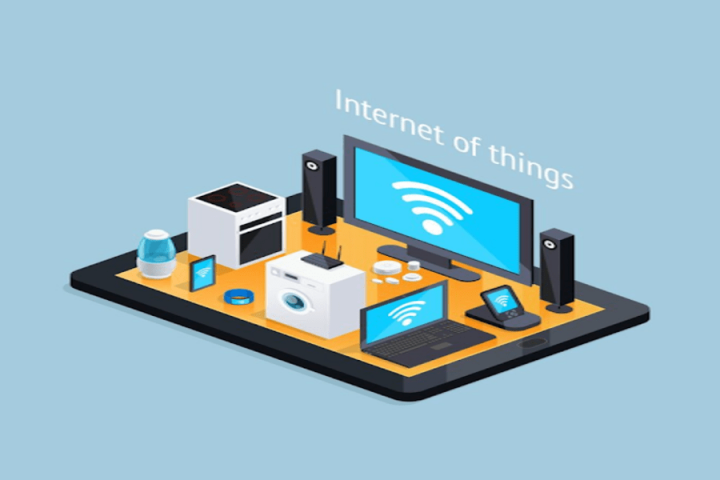
The IoT has changed the way in which people can interact with technology through a network of devices that increase productivity, security, and accessibility. Smart homes, industrial automation, and many other fields are being affected by IoT devices.
In this blog, we will go through the list of the most famous IoT products and devices that are supplied by Acceron, a security services distributor that partners with Tridium and TXOne.
Tridium’s Niagara Framework
The Niagara Framework, developed by Tridium, is an open IoT platform that was developed as a solution for connecting various systems and devices. They enable business organizations to better manage and coordinate their activities. The framework offers several key features:
- Integration and Interoperability: The Niagara Framework supports many protocols, which means that it can interface with many systems and equipment.
- Scalability: It is flexible and can be used in small buildings as well as large firms; hence, it can be used in many areas.
- User-friendly Interface: It has a simple user interface that ensures that the user can monitor and control the platform easily.
Niagara Cloud Suite
The Niagara Cloud Suite extends the capabilities of the Niagara Framework to the cloud, providing enhanced connectivity, scalability, and accessibility. It includes:
- Remote Monitoring and Management: Allows users to monitor and manage their systems from anywhere, at any time.
- Data Analytics: Offers advanced data analytics tools to gain insights and optimize operations.
- Secure Connectivity: Ensures secure connections between devices and the cloud, protecting data integrity.
TXOne Networks’ Cybersecurity Solutions
TXOne Networks is an expert in IoT and industrial control system (ICS) cybersecurity solutions. The IoT product guarantees that industrial processes and vital infrastructure are shielded from cyberattacks. Important items consist of:
- Stellar Series: The Stellar Series defends devices against malware and cyberattacks and is intended for use as endpoint security. It has capabilities like minimizing downtime, guaranteeing operational continuity, and real-time threat detection and response.
- Edge Series: With a focus on network security, the Edge Series guards network gateways and guarantees secure device-to-device connectivity. Detection and deep packet inspection are offered to find and eliminate risks.
- Portable Security Devices: TXOne provides devices that are portable and may be used to scan for malware on USB drives and other removable media, stopping the spread of infections in work environments.
TXOne Portable Security Suite
The TXOne Portable Security Suite provides robust protection for removable media and endpoints in industrial environments. It includes:
- Portable Security Device (TXOne PS): A rugged, portable device that scans and cleans USB drives and other removable media. It offers on-the-go protection for field engineers and maintenance personnel.
- Portable Security 2 Pro: An enhanced version with additional features such as detailed scanning reports, automatic updates, and more comprehensive threat detection capabilities.
Tridium JACE Controllers
At the heart of the Niagara Framework are controllers, or Java Application Control Engines. They make it easier to combine many building systems into a single, cohesive platform. Important characteristics consist of:
- Versatility: JACE controllers are compatible with a wide range of systems and devices since they handle several protocols, such as BACnet, Modbus, and LonWorks.
- Real-time Monitoring: They enhance operational efficiency by offering real-time building system monitoring and control.
- Energy Management: JACE controllers optimize energy use, resulting in financial savings and environmental sustainability.
Niagara Analytics Framework
Designed to integrate easily with the Niagara Framework, the Niagara Analytics Framework is a sophisticated analytics platform. It provides strong tools for reporting, data visualization, and analysis. Important characteristics consist of:
- Data Aggregation: The platform provides a comprehensive view of operations by aggregating data from multiple sources.
- Customisable Dashboards: To keep an eye on trends and key performance indicators (KPIs), users can design customisable dashboards.
- Predictive Analytics: Proactive maintenance is made possible by using predictive analytics to spot possible problems before they become serious.
TXOne Industrial Firewall
To defend industrial control systems against cyberattacks, TXOne Industrial Firewall is a powerful network security solution. It includes:
- Deep Packet Inspection: Examines data passing over networks to find and stop harmful activity.
- Protocol Whitelisting: Reducing the attack surface by allowing only approved protocols and communications through protocol whitelisting.
- Simple Deployment: The firewall may be easily configured and deployed, which makes it appropriate for a range of industrial settings.
Niagara Edge Controllers
With the Niagara Framework’s power closer to the data source, Niagara Edge Controllers are made for edge computing. They provide:
- Local Processing: Reduce latency and speed up reaction times by doing analytics and data processing at the edge.
- Enhanced Security: To safeguard data and devices at the edge, offer strong security measures.
- Flexibility: Assist a range of uses, from modest residential structures to substantial industrial complexes.
TXOne Central Management System
The TXOne Central Management System (CMS) provides a centralized platform for managing and monitoring TXOne cybersecurity solutions. It includes:
- Unified Dashboard: Offers a unified dashboard for real-time monitoring of all connected devices and systems.
- Policy Management: Allows administrators to define and enforce security policies across the network.
- Incident Response: Provides tools for incident response and threat mitigation, ensuring rapid recovery from cyber-attacks.
Niagara Supervisor
The Niagara Supervisor is a comprehensive management tool that extends the capabilities of JACE controllers and the Niagara Framework. It offers:
- Centralized Management: Provides centralized management and control of multiple JACE controllers and connected devices.
- Historical Data: Collects and stores historical data for trend analysis and reporting.
- Web-based Access: Enables web-based access for remote monitoring and management.
Conclusion
IoT products and devices have become integral to modern technology, enhancing efficiency, security, and convenience across various sectors. The Tridium and TXOne solutions distributed by Acceron exemplify cutting-edge innovations in the IoT landscape.
by acceron_dev_user | Aug 5, 2024 | Enterprise solutions for IT & security
The business world is running at a fast pace. To maintain the run towards a futuristic business world, it is vital to protect commercial data with the best enterprise solutions for IT & security. IT solutions are essential to streamline day-to-day business tasks and to enhance productivity. Different types of IT security enterprises are available, and every business comes across the question of “which one to choose?”. Let’s digitally lock your confidential data and understand the world of enterprise solutions for IT & security with their significance and variety.
To manage and operate modern businesses digitally, with zero error rate, IT Enterprises provide the needed infrastructure and tools that improve efficiency and security. We cannot overstate the importance of IT securities in today’s digital era. IT enterprises with the use of specifically designed software for your business, ensure the protection of the business’s critical data from cyber threats.
What Are Enterprise IT Solutions?
Enterprise solutions for IT & security solutions can be described as a set of software and services developed to enhance and improve various aspects of businesses. These solutions enable organisational entities to achieve efficiency in the processes by which they use their resources to add value and securely manage the risks that accompany these resources. Typically recognised aspects of IT solutions can be hardware, software, network, and security systems integrated to support the organisation’s practical work setting.
Types of Enterprise Systems
Enterprise systems come in many varieties and are implemented in various forms to solve different business challenges. Here are some of the most common types of enterprise systems:
Enterprise Resource Planning Technology:
ERP technology combines various business operations of an organization that include finance, human resources, manufacturing, and supply chain into one system. These integrate to enable the exchange of current data and enhance the decision-making process. Standard software solutions for ERP include the SAP, Oracle, Microsoft and Dynamics etc., there are implemented across industries to improve performance.
Customer Relationship Management:
(CRM) Systems These systems centre their efforts on a company’s relationships with its current and prospective clientele. They assist companies in increasing the existing and developing new customers, besides helping organisations in raising the levels of customer satisfaction. Major players in the CRM industry include Salesforce, HubSpot and Zoho which contain features in interactions, leads and marketing.
Supply Chain Management:
SCM systems can be defined as the management tools aimed at integrating the complex processes of product flows, including materials, information and money. Other uses include inventory management, tracking the shipments, and running the general logistics in businesses. Some of the SCM solutions are SAP SCM, Oracle SCM, and JDA Software, which are aimed at enhancing the organisation’s efficiency and cutting costs.
Human Resource Management:
(HRM) Systems The systems involved in human resource management are part of the support provided in managing the employees, recruitment, remuneration, and performance appraisal as well as training. Such systems assist the HR departments in avoiding the menial tasks of filing and documentation while keeping records. Many software products can be used in HRM.
Business Intelligence (BI) Systems:
BI systems are the tools used to help business organizations to make the right decisions based on data analysis, reporting, and data visualization. They assist organizations in effecting extensive analysis on their data for purposes of identifying key strategies and optimizing functions. Today’s leading BI tools such as tableau, power BI, and QlikView are designed for complex analytic functionalities.
Electronic Content Management:
Throughout the life cycle of an ECM system, it provides solutions to companies on how best to deal with their business content. They are useful to businesses for filing documents, to manage business process, and for compliance with the rules and regulations. Some of the critical ECM tools are share point, open text and alfresco that assist in ECM and collaboration.
Significance of Business Solutions for IT & Protection
Security is one of the most important features of enterprise solutions. Security of data particularly from the new threats of cyber criminals is very crucial to any firm. Enterprise solutions for IT & security help IT executives protect data, meet the legal requirements, and preserve the company’s performance. These solutions provide the possibility of growth and allow employing new opportunities without large scale risks.
Decision Making for the Right Enterprise IT Solution
When considering which enterprise IT solution is right for you, one has to see what is necessary for a business, compare the various possibilities, and take into account the measures of customisation, the possibility of expansion and the degree of support. First, it is necessary to clearly define your needs and assess the characteristics of the corresponding systems. Search for those companies that contain vital means of data protection and ESV-qualified personnel ready to help in the process and further cooperation.
Conclusion
Business solutions for IT enterprises are critical to operations in current organisations since they supply vital equipment and structures for operations. Learning the various enterprise systems out there and the advantages that come with every system will enable firms to make the right decision and go for systems that quickly improve productivity and, at the same time, provide the necessary security measures against cyber criminals. Adopting enterprise solutions for IT & security is, therefore, the key to guaranteeing any organisation a prosperous and secure future.
by acceron_dev_user | Aug 5, 2024 | Enterprises
It is not easy to make certain that the resources within an organization are fully protected from unauthorized access. Cyber threats are dynamic in nature and the conventional methods of authentication offer little security to valuable information and possessions. This is where Nexus Authentication comes in handy providing an enterprise standard and secure way of authentication.
Understanding Nexus Authentication
Nexus Authentication is a brand authentication that is developed as a complete solution to serve the need of offering secure access to applications, systems and data within an organization. It uses even the more enhanced technologies that include MFA, SSO, and PKI that would only allow access to the critical resources to those who have the right credentials.
Key Features of Nexus Authentication
-
Multi-Factor Authentication (MFA):
Nexus Authentication has features of MFA that allows users to verify themselves up to two different ways before they can be granted access. This could include something that belonged to the user all along (password), something that the user possesses (smartphone or hardware token) and something that the user is (biometric data). Thus, the usage of MFA increases protection since it becomes even harder for unauthorized access to the system.
In case of SSO, users can sign in into various applications with the same user ID and password. It minimizes the number of password and account that the user has to deal with and protect. Nexus Authentication fits well into different SSO providers to ensure that implementing this feature is easy for the enterprises.
-
Public Key Infrastructure (PKI):
It is a crucial component of Nexus Authentication, which offers the infrastructure for protected exchanges. It employs certificates to identify clients and their devices, enabling only authenticated parties to access the firm’s resources.
Nexus Authentication uses adaptive authentication, which involves assessing several factors like; the behavior, geographical location, and device used in the login process to make a decision on the level of risk of the login. This makes it possible for the system to modify the authentication in accordance to the kind of risk recognized.
-
Scalability and Flexibility:
This authentication method is built to grow with the enterprise. It can accommodate many concurrent user devices and can easily be implemented in a large organization. Furthermore, its usability is highly versatile, given that it can easily be deployed through local hosting, on the cloud, or both.
Benefits of Nexus Authentication
Not only MFA and SSO, which were already mentioned but also PKI implemented in Nexus Authentication, causing the overall risk level of unauthorized access to decrease. This is especially so in organizations that deal with confidential information which is a requirement for ‘e’ business.
-
Improved User Experience:
SSO as well as other forms of adaptive authentication mechanisms makes it easier for users to sign in into systems with the hope of accessing what they want. Not only does this increase efficiency but it also eradicates the dissatisfaction of having to remember numerous passwords.
Many industries nowadays have heightened security and compliance standards. Nexus Authentication assists enterprises in implementing these requirements by offering reliable methods for authenticating users and an audit trail of users’ actions.
Nexus Authentication can potentially offer added value because calling and talking to the helpdesk regarding issues with passwords that they have forgotten or other problems may be minimized because people want to authenticate their accesses to systems. Also, with the concept of scale, enterprises can escape from the relevant costs concerning the upgrading and replacement of obsolete authentication solutions.
With the changing and increasing nature of cyber threats, there is added security in being able to easily and effectively change the type of authentication method such as Nexus Authentication. Thus, the system can easily merge with new technologies and future standards, which will significantly strengthen its long-term security in the future.
Application of Nexus Authentication
-
Remote Workforce Management:
The changes in the working environment, as well as the increased use of devices and connection to enterprise resources from various places, accelerated the need for security. Nexus Authentication gives all the right attributes for securing remote access so that employees can work from anywhere without increasing their organization’s security risks.
The financial institutions handle information that is considered to be sensitive in equal proportion and therefore strict security measures is required to counter fraud and data theft. It ascertains that Nexus Authentication has all measures needed for protecting the financial operations and clients’ data.
Protecting patient data is of utmost importance in the healthcare industry. Nexus Authentication helps healthcare organizations comply with regulations such as HIPAA by providing secure access to electronic health records (EHR) and other sensitive information.
-
Government and Public Sector:
Nexus Authentication provides a convenient and effective solution in addressing the problems of access to government systems and information security.
Conclusion
Nexus Authentication is a solid and efficient tool designed to meet an enterprise’s needs. Employing technologies such as MFA, SSO, and PKI, provides increased protection, positive user effects, and adherence to regulations.
More so, as cyber threats keep changing with time, enterprises are left with no choice but to adopt an agile and scalable authentication solution like Nexus, a reputable partner of Acceron Infosol Pvt Ltd, to safeguard their business’s systems and data from unauthorized access.
by acceron_dev_user | Aug 5, 2024 | Specialised services and solutions
Roaming around the new age of the digital world, maintaining digital security has become crucial. It’s a fact that cyber attackers have improved the quality of their attacks and become more advanced. Cybersecurity will help you to maximise the quality of your digital security and protect the confidential data of your firm. To reduce cybercrime and to guide you while choosing the perfect cybersecurity service provider, we have listed top cyber security companies in India.
1. Tata Consultancy Services (TCS)
When considering the top cyber security companies in India, the definite name that will come to anyone’s mind is TCS, TATA Consultancy Services Ltd. This firm has a robust cybersecurity portfolio and is a leading IT service provider. They provide detailed security services such as risk management, threat intelligence, and compliance. TCS deploys its knowledge and use of modern technology to ensure reliable security for small and big enterprises.
2. Wipro
Other IT giants based in India, Wipro, also concentrate on the protection of their clients’ data concentrating on cybersecurity. Its services include threat identification, threat management, security information management as well as data protection. The cybersecurity portfolios are beneficial and are meant to fit the contemporary digital business to enhance security against cyber threats.
3. Infosys
Infosys has built its reputation for delivering new and creative IT solutions, and its cybersecurity services are to the same effect. Some of the services that they avail include identity and access management, data security as well as incident response services. Infosys becomes a strength for businesses as they are guided on how to avoid threats and keep their digital ecosystem safe.
4. HCL Technologies
Cyber security services offered by HCL technologies include a full-service offering in the cyber security space. Their services are vulnerability assessment, penetration testing, and managed security services. Thus, the proactive approach developed by HCL enables businesses to manage the risk factors and prepare adequate responses to cyber threats.
5. Acceron
Acceron is one of the esteemed cybersecurity companies in India that primarily offers specialised services and solutions. They provide security consulting, analysis and reporting, DDoS mitigation, security information and event management, and security services that are customised according to the various sectors. Due to the company’s efficiency in dealing with complicated security issues, many organisations seek Acceron services to improve their security systems.
6. Quick Heal Technologies
Quick Heal Technologies is a well-known company offering its services in the cybersecurity field. It is popular for antivirus and endpoint security. They have products that can safeguard the interests of one individual user and a business organisation from cyber threats. Thus ensuring that organisations are protected from the new emerging threats through Quick Heal’s consistent innovation.
7. Palo Alto Networks India
Palo Alto Networks is an international organisation operating in the cyber security niche which has links to India. These are security services that include, but are not limited to, threat intelligence security, firewalls and cloud protection, among others. The solutions proposed by Palo Alto Networks are used by businesses from around the world because they are effective and reliable.
8. K7 Computing
The global business of K7 Computing is India, and this has made major entries in the security business. It provides antidote programs and Internet security solutions, as well as a complete security solution meant for the business world. K7 Computing’s concentration on invention and on its customers has placed the firm in good standing.
9. Tech Mahindra
Tech Mahindra provides protection and solutions related to security involving risk services, compliance and threat intelligence. This means that companies can apply their solutions to solve specific tasks connected to digital security and the preservation of valuable data and products. Tech Mahindra has the experience and client base that many organisations look for in a partner.
10. McAfee India
McAfee is a global cybersecurity leader with operation centres in India as well. They sell their products and services to antivirus products consumers, small and large business endpoints, and cloud solutions. Due to its state-of-art security solutions and years of experience, McAfee stands tall among all the other companies that offer security solutions to businesses.
Conclusion
Understandably, the increase in various cyber threat calls for the challenging implementation of cybersecurity measures. Some of the leading IT security solutions and top cyber security companies in India are Tata consultancy service, Wipro, Infosys, HCL technologies and Acceron, which offer several services to safeguard organisations from alarming threats. Through such affiliations, enterprises can achieve protection of their data and systems in what is today a very dynamic corporate environment.

by acceron_dev_user | Aug 5, 2024 | Intelligent Building
As the advancement of technology intensifies its influence in almost all aspects of our daily lives, the idea of Intelligent Building Management System (IBMS) is gaining importance. Such systems coordinate number of building technologies to improve performance, comfort, and environmental friendliness. Thus, the prospects of the further development of intelligent systems for building management are preceded by a tremendous and promising future.
What is an Intelligent Building Management System?
An intelligent building management system (IBMS) may be defined as a central nervous system of software and hardware that is used to interface, manage, collect information and control a building’s mechanical & electrical systems. This relates to heating, ventilation, air conditioning (HVAC), lighting, security, and any other operations system. Generally, an IBMS is devised to manage and control the energy consumption, comfort and security within a building.
The Evolution of Intelligent Building Management Systems
Classically, BMU was applied in terms of the basic control and monitoring functionalities. However, current embedded systems especially with IoT (Internet of Things) and AI (Artificial Intelligence) based systems, these systems have become very complex. Contemporary IBMS are capable of processing large amounts of data in real-time with the help of which potential failures can be detected ahead of time, changes in parameters can be made automatically, and energy consumption can be optimised.
Benefits of Intelligent Building Management System
1. Energy Efficiency:
Undoubtedly, one of the primary benefits of implementing an IBMS is definitely the aspect of its energy-saving features. Depending on occupancy and usage patterns, these systems are able to considerably decrease energy expenses and also contribute towards the reduction of the carbon footprint due to control and the adjustment of systems such as HVAC and lighting.
2. Enhanced Comfort:
The purpose of IMBS is to thus provide the most suitable indoor conditions by adjusting the temperatures, lighting and air quality in the building. This results in enhanced comfort and productivity standards for the occupants of the buildings.
3. Improved Security:
The smartness of the building management systems includes linking with the security systems for surveillance, access and emergency. This increases the general safety of the building in question since every corner is well-lit.
4. Predictive Maintenance:
Through the data collected by different sensors and the system, an IBMS can easily estimate a piece of equipment’s probable failure. This will enhance good maintenance practices as it will eliminate cases of system breakdowns, hence enhancing the longevity of the systems in the buildings.
5. Cost Savings:
Saving in energy management, lower maintenance costs and increased operational efficiencies in the building reflect a great extent of the cost benefit to the owners and operators of the buildings.
The Future of Intelligent Building Management Systems
Intelligent Building Management Systems have been observed to influence the future of efficient and effective building systems. This appears to be very promising, with several developments that promise to revolutionise the market.
1. Integration with Smart Cities:
Smart structures become a part of a larger concept of smart cities meaning that buildings will necessarily be connected to a host of other systems. IBMS will interact with all facilities in the city hence leading to better utilisation of energy as well as enhanced transport and utilisation of resources.
2. Advanced AI and Machine Learning:
Subsequent developments of IBMS will integrate superior AI and machine learning algorithms to offer more profound analysis and automation. These systems will be designed to learn from data patterns concerning building performance and improve on them in the future.
3. Enhanced User Interfaces:
The use interfaces of IBMS will be more easier to use and captivitive. An aspect that will be interesting to note is that building managers will have at their disposal detailed analytics as well as control options that will come in simple, easy to use, appealing interfaces called ‘dashboards’.
4. Increased Sustainability:
Environmental sustainability shall remain an ongoing force in the development of IBMS. Newer models would come with more efficient methods of power generation, that is both more sustainable and cleaner, as well as superior systems of waste disposal among the other ecological innovations.
5. Interoperability and Standardization:
Inter-operability and standardization of IBMS will be evident in the future to a higher level as compared to now. This will provide the opportunities for various systems and gadgets to interconnect and interact thereby helping to integrate new technologies with relative ease into the bus system.
Conclusion
The intelligent building management system is ever-changing in the way buildings are managed and especially in how they are used. These are lighting, HVAC control systems, and security systems that are bringing changes to buildings aimed at making buildings intelligent and sustainable. With technology developing in the future, the development of IBMS expects higher results and impressive outcomes, which depicts the significance of the incorporation of IBMS as a key element in the management system of modern buildings. Such systems adopted today mean that building infrastructure will not only be efficient and secure but also be prepared for the technological change of tomorrow.


